


Rhythm Blocks: Music Beat Game
4.42.00 Reviews
App Specs
- Version
- 2.0.20
- Updated On
- License
- Free
- Downloads
- 100,000+
- Developer
- ABYSSCORE Games
- Categories
- Music
- Platform
- Android
Screenshots

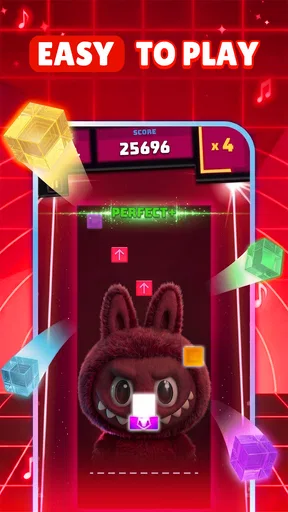

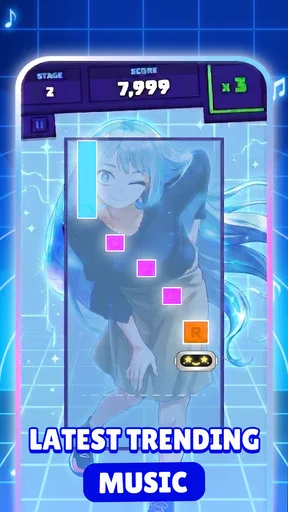
 Analysis by AppCompare
If you’re a fan of music and gaming, then Rhythm Blocks: Music Beat Game might just become your next obsession. I stumbled across this gem while searching for something upbeat to spice up my daily commute, and oh boy, it did not disappoint! Let me take you through my experience with this vibrant app that promises to be a treat for both ears and fingers.
What I’d consider before downloading
I’d choose a rhythm game by asking what I want from a short session: a quick test of timing, a way to discover music, or a deeper system of progression. Rhythm Blocks is most appealing when the first goal comes first. Its central pleasure is reacting to moving tiles in time, so it suits someone who enjoys turning a spare moment into a focused little challenge more than someone looking for a broad music library or a story-led game.
It is a free music game from ABYSSCORE Games, with an Everyone age rating. It has a 4.4 average from around 600 ratings and over 100,000 installs, giving a new player a useful sense that it has found an audience without making popularity a substitute for personal fit. Version 2.0.20 is listed for devices running Android 7.1 or later. If you’re deciding whether to try it, those basics make it an accessible option, but the important question is whether you like reading a beat through touch and movement.
A practical way to judge that is to play when you can give the screen your attention, rather than treating it like background audio. Rhythm games reward concentration: glancing away to answer a message can be enough to lose the thread of a sequence. I’d start with a short session, with the phone held comfortably and the sound at a level where the beat is clear. That lets you tell whether the timing feels satisfying before you commit to a longer run.
A good fit for short, active breaks
The offline angle is a meaningful reason to keep this one in mind. It can suit a commute, a waiting room, or a quiet break when a connection is unreliable, because the game is presented as an offline music challenge. I’d still open it before leaving home if I wanted to rely on it away from a connection; that simple habit is useful with any game whose first launch or content access might involve a network.
One everyday scenario where I can see it working is a few minutes between errands. Instead of opening a social feed and losing track of time, I could play a focused round, stop, and get back to what I was doing. The tap-and-drag idea gives my hands something deliberate to do, and the beat makes the session feel more engaging than a basic time-killer. The trade-off is that it asks for attention, so it is not a good choice while walking through a crowded area, crossing a street, or doing anything that needs your eyes elsewhere.
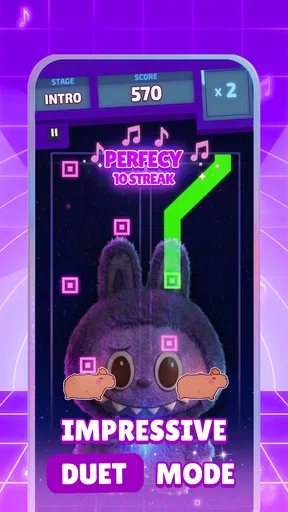
It also has a useful middle ground for players who find very simple tap games dull but do not want to learn a complicated control scheme. Tapping, dragging, and catching tiles are easy actions to understand, while keeping them aligned with music creates room for mistakes and improvement. I’d treat it as a timing exercise rather than a test of musical knowledge: you do not need to read music to enjoy following a beat, but patience helps when your hands and eyes are still learning to work together.
Worth Reading Before You Choose

Flipboard Shows What News Apps Must Do Beyond the Feed

Switching to Android Auto Means Rethinking Your Driving Routine

Google Calendar Makes a Crowded Week Easier to Manage

Ludo King Makes the Most of the Minutes Between Plans

Baby Panda World Brings Quick Play to Modern Phones, but Its Game Library Feels Busy

ESPN’s Live Game View Makes Following Close Games Easier
A Symphony of Colors and Beats
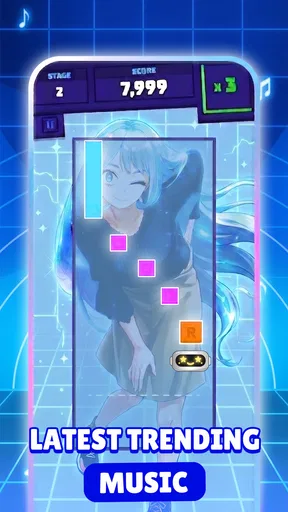
The first thing that hit me when I opened Rhythm Blocks: Music Beat Game was its colorful and dynamic interface. It’s like a fiesta for the eyes! The game welcomes you with a splash of colors that instantly lifts your mood and gets you pumped up for the rhythm challenges ahead. The graphics are smooth, and the animations are fluid, ensuring that the visual experience never feels clunky or distracting. It’s all about that perfect blend of music and motion.
Gameplay Mechanics That Keep You Hooked
Now, let’s dive into what really matters—the gameplay. Imagine a mix of Tetris and Guitar Hero, but with a twist that keeps you on your toes. The game involves tapping on blocks in time with the music, which sounds simple, right? But as you progress, the pace picks up, and you’ll find yourself in a thrilling dance-off against the blocks. The controls are responsive and intuitive, allowing both new players and seasoned gamers to enjoy the challenge.
For the best first impression, I’d focus on clean inputs rather than trying to chase a perfect run immediately. Keep your thumb movement small, and watch the tiles a little ahead of where you need to act instead of staring at the point where they are now. That small change in attention can make fast passages feel less chaotic. If a particular section keeps tripping you up, pause between attempts and identify whether the problem is timing, a rushed gesture, or simply losing track of the screen; those are different issues and are easier to address one at a time.
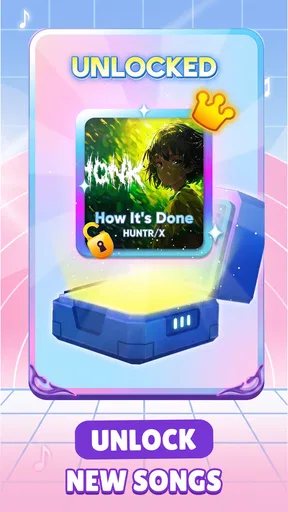
What I love is the variety of music tracks available. From pop to EDM, there’s a little something for everyone. And if you’re like me, always on the hunt for new tunes, you’ll appreciate the regular updates that keep the music library fresh and exciting.
I would approach the music selection with realistic expectations. A rhythm game’s tracks are there to support play, not necessarily to replace a streaming service or serve as a complete catalogue of a favorite genre. If you mainly want to listen passively, a music player is the better tool; if you like responding physically to a song, the tracks become part of the challenge. That distinction matters when deciding whether the game’s musical variety is enough for you.
Challenges and Rewards
One of the standout features for me is the challenge mode. It’s not just about hitting the blocks; it’s about hitting them with style. Completing challenges unlocks new levels and rewards, which adds an extra layer of motivation to keep playing. Plus, there’s a leaderboard where you can compete with friends or players worldwide. Nothing like a bit of friendly competition to get the adrenaline pumping!
For a healthier relationship with scores, I’d use the leaderboard as an occasional benchmark, not as a reason to replay one section until a session stops being fun. A score can tell you that a run went better, but it cannot tell you whether you enjoyed the track or felt comfortable with the pace. If competition motivates you, it gives you a target; if it makes every miss irritating, ignoring that layer is a perfectly sensible way to play.
The game also has a daily login reward system, which is a nice touch. It’s always exciting to see what freebie you’ll get each day, whether it’s a new track or a power-up to help you ace those tricky levels.
Daily rewards can encourage a small routine, but I wouldn’t let a streak dictate when I play. A useful approach is to check in when you already have a moment for a game, then stop if the session no longer feels enjoyable. That keeps the reward loop as a bonus rather than turning a casual music game into another obligation. Players who prefer to play only when they feel like it may find that the extra incentive is easy to ignore.
Immersive Soundtrack
Let’s talk about the heartbeat of the game—the soundtrack. Each track is meticulously chosen and blends seamlessly with the gameplay, creating an immersive experience. Whether you’re in the mood for something mellow or a beat that gets your heart racing, the game has got you covered. The sound quality is top-notch, so make sure you plug in your headphones for the full effect. Trust me, you won’t regret it!
Headphones can make the beat easier to follow in a noisy setting, but they are not automatically the best choice in every situation. If you’re outdoors or need to stay aware of people around you, keep the sound low or play somewhere safer. At home, I’d adjust the volume before starting rather than turning it up after a difficult section; a clear beat helps, but loud sound does not make timing more accurate. The game is at its most satisfying when audio and on-screen movement work together without either becoming uncomfortable.
Room for Improvement
While Rhythm Blocks: Music Beat Game is addictive, it’s not without its quirks. Occasionally, the app can lag during high-intensity tracks, which can be a bit frustrating when you’re on a streak. Also, the in-app purchases are pretty tempting, and while you can enjoy the game without spending a dime, it does require some patience to unlock higher levels without them.
That makes it a less convincing pick for anyone who wants every part of a game to be immediately available or who dislikes purchase prompts. Since the game is free, I’d go in with a clear boundary: enjoy what is available at no cost, and only consider a purchase if you understand what it changes and genuinely want that benefit. I would not spend just to solve a difficult moment; first check whether a slower, more attentive attempt makes the section manageable. That keeps the challenge itself at the center of the experience.
Another minor gripe is the battery consumption. The game is quite demanding, and if you’re not careful, you might find your phone running out of juice faster than expected. So, it’s best to have your charger handy if you plan on long gaming sessions.
For a longer session, I’d also think about the phone’s warmth and the comfort of holding it, not just the remaining battery. A bright screen and constant interaction can make a game feel more tiring than its short rounds suggest. Playing in brief bursts, lowering brightness to a comfortable level, and taking a break when your hands feel tense are straightforward ways to make the experience easier. If your device already struggles with games, a simpler rhythm title may be a more comfortable choice.
How it compares with other music games
Compared with music games built around tapping a single lane or following a very spare visual cue, this one’s mix of tapping, dragging, and catching asks for more varied hand movement. That can make it feel more involved, but it also raises the chance that a player who only wants a calm, low-effort game will find it demanding. On the other side, players looking for a full instrument simulator, a broad social community, or deep song customization should look at alternatives designed around those priorities rather than expecting this game to cover every music-game style.
The trade-off is about the kind of attention you want to give. A casual tap game may be easier to play while half-distracted, while a more technical rhythm title may offer greater depth for people who want to practice precise patterns. Rhythm Blocks sits between those poles: its basic gestures are approachable, but the pace and tile sequences can still make a run feel active. I’d recommend it to someone who wants a direct challenge without first learning a complex set of controls, not to someone who expects a complete rhythm-game training system.
Switching from another rhythm game should be straightforward at the level of basic play, because the central idea is still to match actions to a beat. The adjustment is in learning how this game presents its moving blocks and how its gestures feel on your screen. I’d give myself a few short sessions before deciding whether the timing clicks. If you move on, you are not losing a large investment of time or money simply by trying it, but any progress or familiarity you build here should not be assumed to carry over to another title.
Final Thoughts
Overall, Rhythm Blocks: Music Beat Game delivers a fantastic experience for music lovers and gamers alike. It’s visually appealing, aurally satisfying, and most importantly, incredibly fun to play. Whether you’re looking to kill time or immerse yourself in a rhythm frenzy, this game is worth checking out. Just remember to charge your phone and maybe set a timer, because once you start, it’s hard to stop!
If you’re ready to tap to the beat, you can download the app from your favorite app store and dive into the rhythmic chaos. Who knows, you might just discover your new favorite track along the way!
Who I’d recommend it to
I’d point this game toward someone who likes short, hands-on music challenges, wants an offline option for downtime, and is happy to improve through repeated attempts. It can also suit a player who wants a change from passive listening during a break: you are actively following the beat rather than simply letting a playlist run. The colorful presentation and familiar touch gestures help make the first steps inviting, while the faster sequences give experienced rhythm-game players something to concentrate on.
I’d suggest skipping it if you want a calm game that can be played without looking at the screen, a large collection of songs for listening outside the game, or a rhythm experience with no pressure to replay difficult passages. It is also a poor match for situations where you need to stay alert to your surroundings. Those are not faults so much as limits of a game built around watching tiles and reacting on time. For that kind of use, an audio app or a less demanding puzzle is a better fit.
My recommendation is to try it as a compact rhythm challenge rather than expecting it to become your all-purpose music app. Its strengths are the immediate touch-based play, the way the beat gives each action purpose, and the option to use it offline. Its friction points are the possibility of lag during intense moments, the temptation of in-app purchases, and the extra battery use during longer play. If those trade-offs sound acceptable, it is an easy game to sample and decide on for yourself; if you value uninterrupted performance or extended, relaxed listening above active play, another kind of app will serve you better.
Pros
- Engaging rhythm gameplay enhances coordination.
- Diverse music library with frequent updates.
- User-friendly interface for seamless navigation.
- Customizable settings cater to player preferences.
- Offline mode available for uninterrupted play.
Cons
- Limited free tracks without in-app purchases.
- Advertisements can interrupt gaming experience.
- Requires significant storage space on device.
- High battery consumption during extended play.
- Occasional lag on older devices.
FAQs for Rhythm Blocks: Music Beat Game
What is Rhythm Blocks: Music Beat Game?
Rhythm Blocks: Music Beat Game is a dynamic and engaging mobile game that combines elements of rhythm and puzzle-solving. Players must match blocks to the beat of the music, creating an immersive experience that challenges both reflexes and timing. The game offers various levels and soundtracks to keep players entertained.
Is Rhythm Blocks: Music Beat Game free to play?
Yes, Rhythm Blocks: Music Beat Game is free to download and play. However, it may offer in-app purchases for players who wish to enhance their experience with additional features, power-ups, or to remove ads. These purchases are optional and not necessary to enjoy the full game.
What are the minimum device requirements for Rhythm Blocks?
Rhythm Blocks: Music Beat Game requires Android 5.0 or iOS 10.0 and above to run smoothly. The game is optimized to work on most smartphones and tablets, but it’s always best to ensure your device has enough storage space and is updated to the latest operating system for optimal performance.
Does Rhythm Blocks offer multiplayer or social features?
Currently, Rhythm Blocks: Music Beat Game is designed as a single-player experience. However, it includes social features such as leaderboards where players can compete against friends and other users globally. Sharing scores and achievements on social media platforms is also possible from within the game.
How frequently is new content added to Rhythm Blocks?
The developers of Rhythm Blocks: Music Beat Game regularly update the app with new levels, music tracks, and features to keep the gameplay fresh and exciting. These updates are generally based on user feedback and aimed at enhancing the overall experience, so players can expect regular new content.


